
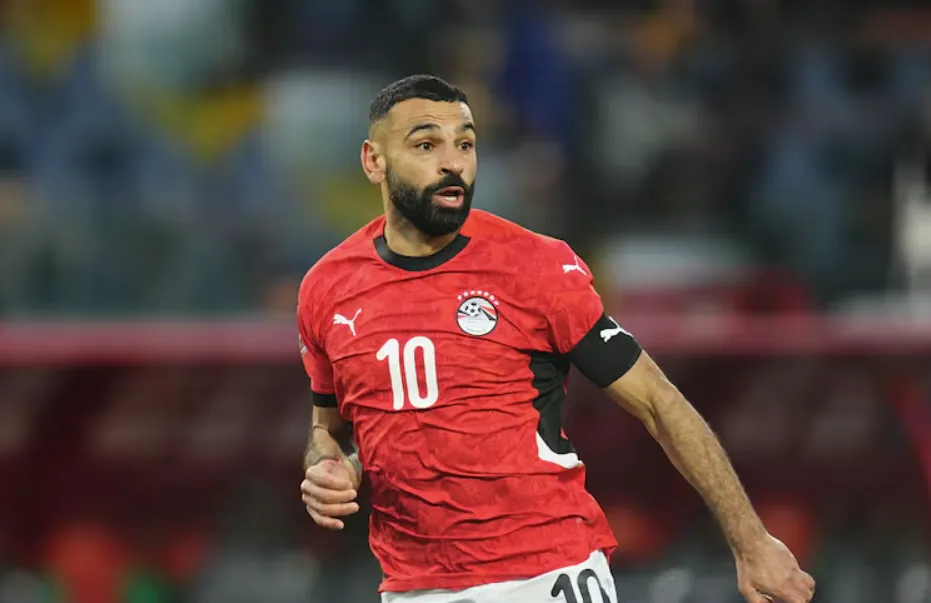
The race for the 2026 FIFA World Cup is heating up across the African continent, and few narratives are as compelling as Egypt’s determined pursuit of a spot in the expanded tournament. With their talisman, Mohamed Salah, still performing at an elite level, the Pharaohs are navigating a tricky qualification pathway that combines high expectations with the complex realities of African football. This analysis on Crickex dives deep into Egypt’s campaign, examining their tactical approach, key players, and the strategic significance of their qualifying matches, offering a perspective that goes beyond simple match results.
Football analyst Karim Abdel-Rahim, a veteran observer of North African football, explains, “The 2026 World Cup presents a historic opportunity for Egypt. With the expanded format offering more slots for Africa—nine guaranteed places—the pressure is immense, but so is the potential reward. For Mohamed Salah, this likely represents his final chance to lead his nation on the grandest stage, and the entire squad is galvanized by that mission.”
Egypt’s Current Standing in Group A
Who Are Egypt’s Main Competitors?
Egypt finds itself in a tightly contested Group A for CAF qualifying, alongside familiar foes and emerging threats. The group includes:
- Burkina Faso:A physically strong team known for their defensive organization and counter-attacking prowess.
- Guinea-Bissau:Often underestimated, they possess individual talent that can trouble any defense.
- Ethiopia:While less fancied, they are capable of causing upsets, especially at home in the challenging altitude of Addis Ababa.
- Djibouti and Sierra Leone:These teams, while considered underdogs, play a crucial role in the group’s dynamics and can disrupt the favorites’ plans.
The battle for the top spot, which guarantees automatic qualification, is primarily expected to be a two-horse race between Egypt and Burkina Faso. However, Guinea-Bissau’s recent improvement suggests they cannot be discounted.
Current Standings and Key Results
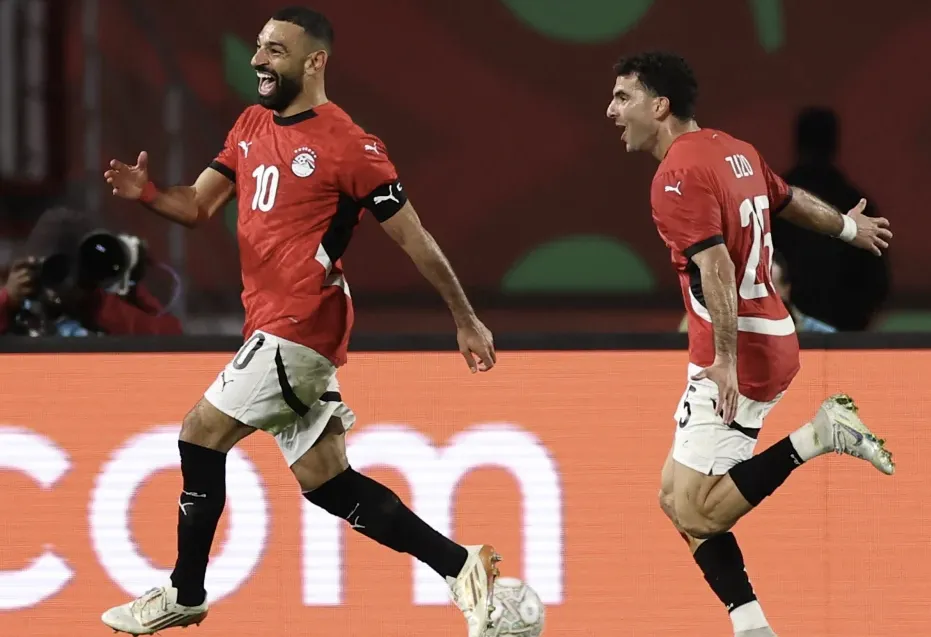
As of the latest matchday, Egypt sits in a strong position, having secured vital away victories while maintaining an unbeaten record. Their 2-1 win over Burkina Faso in a tense away fixture was a statement of intent. More recently, a tactical 1-0 victory against Guinea-Bissau showcased their ability to grind out results without their star players constantly being the focal point.
The team’s confidence was perhaps best demonstrated in their dominant 4-0 home win against Sierra Leone, where the attacking fluidity that fans have been waiting for finally materialized. These results have not only put them top of the table but have also sent a clear message to their rivals: Egypt is navigating this qualification path with both style and substance.
Tactical Evolution Under Hossam Hassan
The System Behind the Success
Coach Hossam Hassan has implemented a pragmatic yet adaptable tactical system. Unlike previous regimes that were heavily reliant on Salah’s individual brilliance, the current setup emphasizes collective defensive responsibility and quick transitions. The typical formation has shifted between a 4-3-3 and a 4-2-3-1, designed to control the midfield while providing width for the full-backs to overlap.
What’s particularly noticeable is the increased involvement of the central midfielders in the final third. Players like Mahmoud “Trezeguet” and Ahmed Sayed “Zizo” have been tasked with drifting inside to create numerical overloads, allowing Salah to operate in more dangerous central areas rather than being stuck on the touchline. This tactical fluidity has made Egypt less predictable and harder to defend against.
Defensive Solidity: The Unsung Hero
Egypt’s qualification campaign has been built on a solid defensive foundation. The central defensive partnership has been resolute, with goalkeeper Mohamed El Shenawy providing leadership and crucial saves during pressure moments. In their last three qualifying matches, Egypt has conceded only once—a testament to the discipline instilled by the coaching staff.
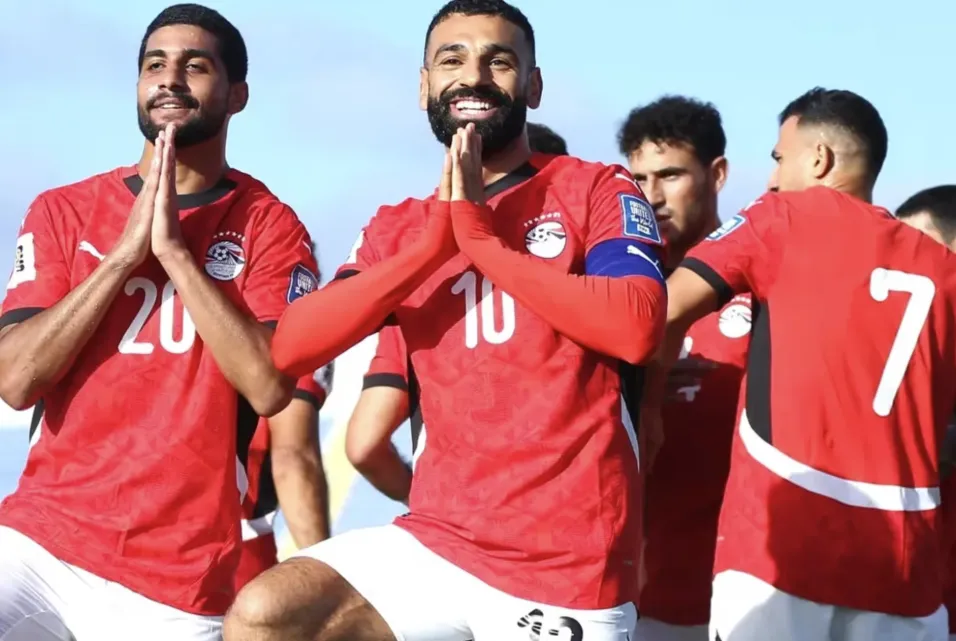
The full-backs have been particularly effective, providing not just defensive cover but also overlapping runs that stretch opponents. This balance has allowed Egypt to control the tempo of matches without leaving themselves exposed to counter-attacks, a weakness that has plagued them in previous campaigns.
Mohamed Salah: The Driving Force
Beyond the Goals and Assists
While Mohamed Salah’s goal contributions remain vital—he has scored crucial penalties and created key chances—his influence extends far beyond statistics. In recent matches, Salah has been deployed in a more advanced central role, often drifting between the opposition’s defensive lines. This positioning allows him to link play, hold up the ball, and bring midfield runners into the game.
His leadership on the pitch is palpable. During the tense away match against Burkina Faso, when the team was under sustained pressure, it was Salah’s calming presence and tactical instructions to his teammates that helped them regain composure and see out the result. He is not just the captain in name; he is the team’s emotional anchor.
Managing Fatigue and Expectations
At 32 years old, managing Salah’s minutes has become a crucial consideration. The demanding Premier League schedule with Liverpool, combined with international travel, means that his physical condition is carefully monitored. The coaching staff has been smart in their approach, sometimes substituting him early when the game is won or resting him in less critical fixtures to ensure he is firing on all cylinders for the big matches.
The question on every fan’s mind is whether Salah can maintain his extraordinary form for the remainder of the qualifying campaign. Based on his current performances and his unwavering dedication to representing Egypt, the evidence suggests he will be decisive when it matters most.
Key Challenges Ahead
The Altitude and Travel Factor
One of the most significant challenges for Egypt will be the away match against Ethiopia in Addis Ababa. The high altitude of 2,355 meters above sea level historically poses a serious physical challenge for visiting teams. Preparation for this fixture will involve specialized training camps and careful management of the squad’s physical exertion.
The travel logistics across the continent are equally taxing. Matches in West Africa against Guinea-Bissau and Burkina Faso require long flights and adaptation to different climates. The depth of the squad will be tested, and how the coaching staff rotates players will be critical in maintaining performance levels.
Breaking Down Deep Defenses
Against weaker opponents like Djibouti, Egypt faces the challenge of breaking down teams that pack their defense. This requires patience, movement, and clinical finishing—qualities that have not always been consistent. Analysts like Mohammed Abdel-Shafi, a former Egyptian international, note, “The real test is not just winning, but winning convincingly. In African qualifiers, goal difference can be decisive. We need to be ruthless in matches where we dominate possession.”
Recent performances have shown improvement in this area, with the team creating more clear-cut chances through set pieces and quick combination play in the final third. However, there is still room for growth in converting possession into goals more efficiently.
Prediction and Future Outlook
Can Egypt Secure Automatic Qualification?
Based on current form, squad depth, and the tactical stability under Hossam Hassan, Egypt is strongly positioned to top Group A. The return of key players like Mostafa Mohamed, who provides a physical presence upfront, adds another dimension to their attack. If they can navigate the away matches without dropped points, especially the tricky fixture against Guinea-Bissau, the path to the World Cup looks increasingly clear.
“Our data analysis shows that Egypt’s expected goals (xG) and defensive metrics place them among the top three teams in African qualifying,” explains analyst Karim Abdel-Rahim. “If they maintain this level of performance, especially in terms of defensive organization and set-piece efficiency, they should comfortably secure their place in the 2026 World Cup.”
The Broader Impact for Egyptian Football
Success in this qualifying campaign would have profound implications beyond just World Cup participation. It would rejuvenate grassroots football, boost the domestic league’s profile, and provide a platform for younger players to develop in high-pressure environments. The economic impact, through tourism and investment linked to the national team’s success, also cannot be overstated.
For Mohamed Salah, leading Egypt to their fourth World Cup appearance and potentially his first tournament win would cement his legacy as not just one of Africa’s greatest players, but as a transformative figure in Egyptian sporting history.
Conclusion: 2026 World Cup Egypt Mo Salah Africa Qualifying on Crickex
In conclusion, the 2026 World Cup Egypt Mo Salah Africa qualifying campaign has showcased a team that has learned from past disappointments and evolved into a tactically disciplined, resilient unit. Mohamed Salah’s inspirational leadership, combined with Hossam Hassan’s pragmatic coaching and a strong supporting cast, has put Egypt on the verge of achieving their World Cup dream.
The journey is far from over, but the signs are overwhelmingly positive. As Crickex continues to bring you the latest updates and in-depth analysis, we invite you to stay engaged with this exciting narrative. What do you think will be the deciding factor in Egypt’s qualification? Will Salah’s magic be enough, or will the team’s defensive solidity prove to be the key? Share your thoughts in the comments below, and make sure to follow us for more exclusive content on the road to the 2026 FIFA World Cup. The Pharaohs are marching, and the world is watching.
