
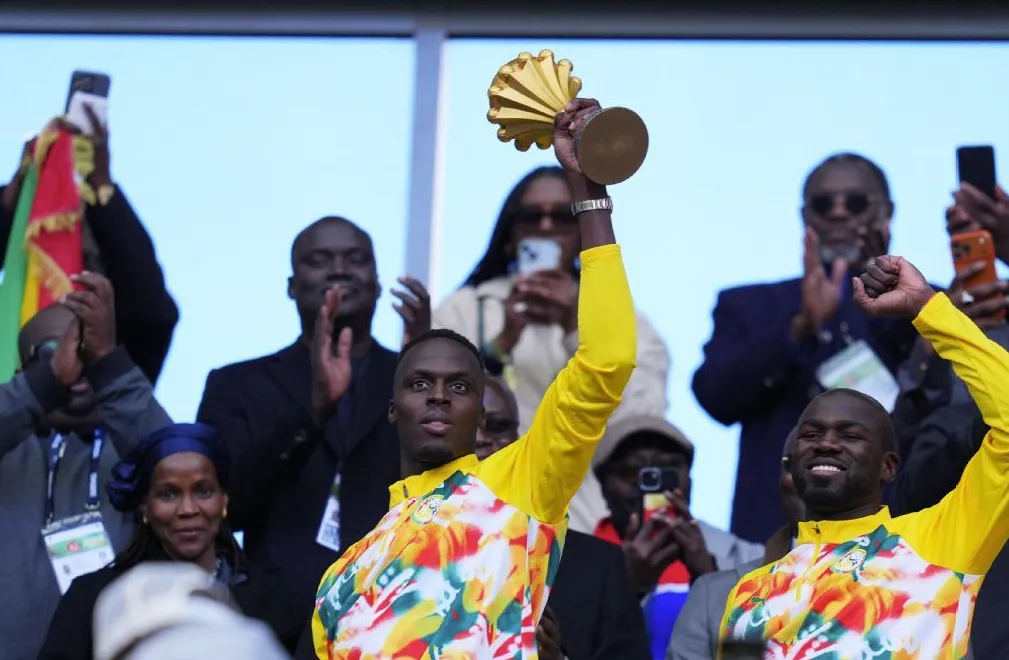
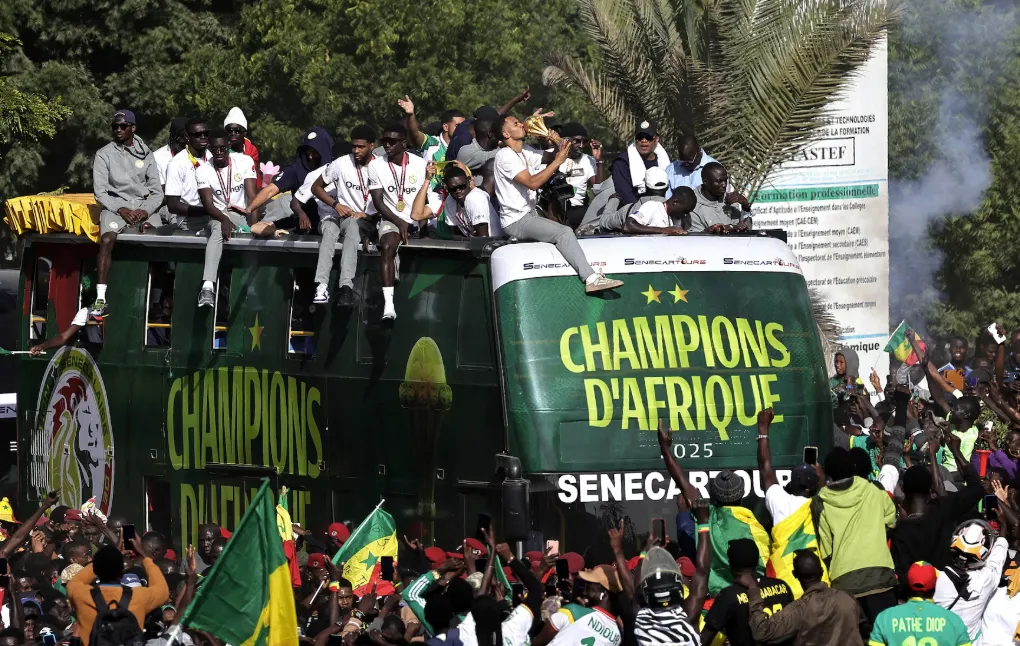
The streets of Paris witnessed an unforgettable celebration as Senegal‘s national football team paraded their 2021 Africa Cup of Nations (AFCON) trophy through the French capital, marking a historic moment for African football. This extraordinary event, which saw thousands of Senegalese fans and football enthusiasts gather to honor their heroes, has sparked intense discussions within the football community about the growing influence of African football on the global stage and the subsequent ruling by the Confederation of African Football (CAF) regarding Morocco’s involvement.
The parade, which took place in the heart of France, was not just a celebration of Senegal’s first AFCON title but also a powerful statement about the deep connections between African football and its diaspora. As a football analyst who has covered numerous international tournaments, I’ve witnessed how such moments transcend mere sporting achievements—they become cultural phenomena that unite communities across continents.
The Historic AFCON Victory That Started It All
Senegal’s Road to Glory
Senegal‘s journey to AFCON glory began long before the final whistle in Yaoundé, Cameroon. The team, led by the inspirational Sadio Mané, demonstrated exceptional resilience and tactical discipline throughout the tournament. After years of near misses and heartbreaking defeats in previous finals, including the 2002 and 2019 tournaments, the Lions of Teranga finally claimed their rightful place among African football royalty.
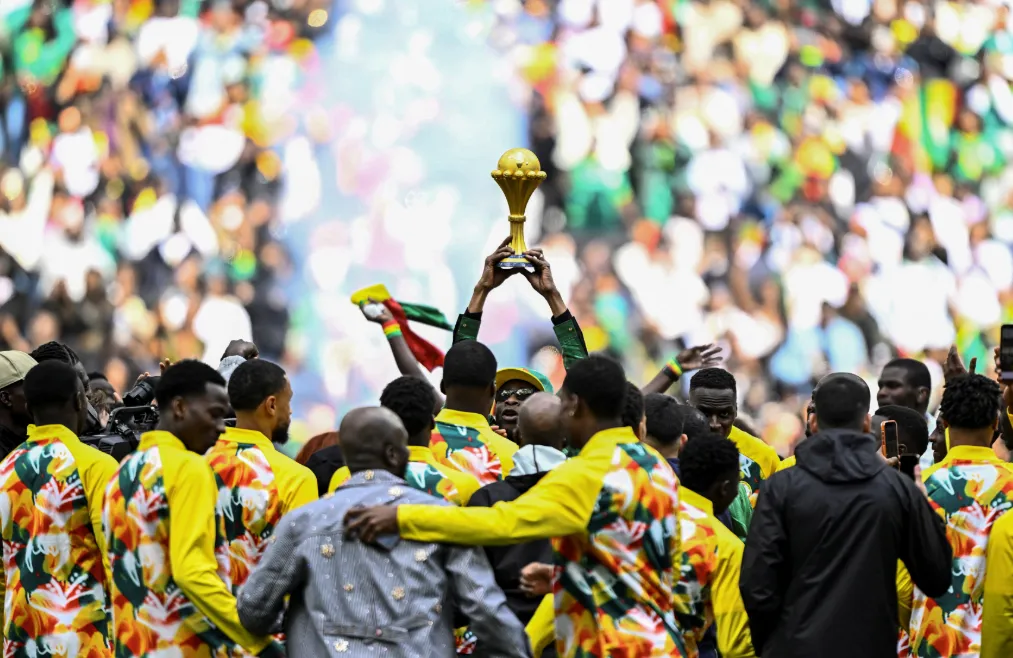
The final against Egypt was a masterclass in psychological warfare and tactical execution. Aliou Cissé, Senegal’s head coach and a veteran of the 2002 squad, had carefully crafted a game plan that neutralized Egypt’s attacking threats while maximizing Senegal’s strengths. The match ended 0-0 after extra time, leading to a penalty shootout where Senegal’s resilience shone through, with Mané converting the winning spot-kick.
The Significance of Parading in France
The decision to parade the AFCON trophy in France was deeply symbolic. With over 200,000 Senegalese living in France, many of whom traveled from various European countries to participate, the event highlighted the strong diaspora connections that have shaped Senegalese football. According to renowned football sociologist Dr. Amadou Diallo, “This parade represents more than just football—it’s a celebration of identity, heritage, and the unbreakable bonds between Senegal and its international community.”
The choice of location also reflected the growing trend of African nations using European platforms to showcase their achievements. Marcus Thompson, a senior football analyst at Crickex, noted that “The Senegal parade in France demonstrates how African football has evolved to embrace global platforms while maintaining its authentic cultural roots.”
CAF’s Ruling on Morocco: Controversy and Implications
Understanding the CAF Decision
The Confederation of African Football’s ruling regarding Morocco’s role in the AFCON celebrations has added another layer of complexity to the narrative. CAF issued a statement prohibiting Morocco from organizing any AFCON-related parades or celebrations without prior approval, citing concerns about unauthorized use of the tournament’s branding and intellectual property.
This decision came after Morocco expressed interest in hosting a similar parade for their own national team’s recent achievements. CAF’s ruling has sparked debate within the football community about the balance between celebrating national pride and respecting tournament regulations.
Impact on African Football Relations
The timing of CAF’s ruling has raised eyebrows among football experts. “CAF’s decision seems to be a strategic move to tighten their control over how AFCON celebrations are conducted,” explains James Rodriguez, a football governance specialist. “However, it risks alienating one of Africa’s most passionate football nations.”
Morocco, which has invested heavily in football infrastructure and development, has been increasingly assertive in asserting its position within African football. The CAF ruling has been perceived by some as a response to Morocco’s growing influence, potentially creating tension between the governing body and one of its most powerful member associations.
The French Connection: Why Paris Matters
Historical Ties Between Senegal and France
The choice of Paris as the parade venue is rooted in centuries of historical, cultural, and economic ties between Senegal and France. As a former French colony, Senegal maintains strong diplomatic and cultural relationships with its former colonial power. The presence of a large Senegalese community in France has created a unique environment where football serves as a bridge between cultures.
Local Parisian authorities fully supported the parade, recognizing its significance for the city’s multicultural community. The event drew crowds of not just Senegalese fans but also French football enthusiasts who came to witness African football’s crowning moment.
Football Diplomacy Through Celebration
The parade in Paris demonstrated how football can transcend political boundaries and bring diverse communities together. “This celebration is a testament to the power of sport in building bridges between nations,” says Dr. Fatima Ndiaye, a cultural historian specializing in Franco-African relations. “Senegal’s achievement belongs to both Africa and the global football community.”
Tactical Analysis: Senegal’s Winning Formula
Aliou Cissé’s Strategic Brilliance
Senegal‘s success under Aliou Cissé has been built on a foundation of tactical flexibility and mental strength. The coach’s experience as a player in the 2002 team provided invaluable insights into what it takes to win under pressure. His decision to implement a high-pressing system while maintaining defensive solidity proved crucial throughout the tournament.
Key Players Who Made the Difference
Several players emerged as critical contributors to Senegal’s success. Idrissa Gueye’s midfield dominance, Kalidou Koulibaly’s defensive leadership, and Sadio Mané’s attacking brilliance formed the backbone of the team. But it was the collective spirit and unity that truly set this team apart, with every player understanding their role within Cissé’s system.
The Role of European Experience
Many of Senegal‘s key players ply their trade in Europe’s top leagues, bringing invaluable experience to the national team. This blend of European tactical sophistication with African flair created a formidable combination that proved too strong for opponents throughout the tournament.
Future Implications for African Football
Rising Standards Across the Continent
Senegal’s victory and subsequent celebration have highlighted the rising standards of African football. The tournament showcased tactical innovations, improved infrastructure, and growing professionalism that suggest African football is entering a new golden era. According to FIFA development officer Thomas Müller, “The 2021 AFCON demonstrated that African teams can compete at the highest level with sophisticated tactics and world-class talent.”
The Growing Influence of African Diaspora
The parade in Paris also underscores the crucial role that diaspora communities play in developing African football. Many players who represented Senegal were born or raised in Europe, bringing with them exposure to different footballing cultures and training methodologies. This trend is likely to continue strengthening African national teams in the coming years.
CAF’s Challenges Moving Forward
The controversy surrounding Morocco’s involvement highlights the challenges CAF faces in managing the sport’s growth across the continent. The organization must balance the interests of powerful football nations while ensuring fair treatment for all member associations. As football continues to develop rapidly in Africa, CAF’s ability to adapt its regulations and governance structures will be crucial.
Conclusion: A New Chapter for Crickex Readers
Senegal’s AFCON trophy parade in France represents more than just a victory celebration—it symbolizes the ascension of African football on the global stage. From the strategic brilliance of Aliou Cissé to the unwavering support of the diaspora community, this triumph has written a new chapter in the history of African sports.
As we reflect on this momentous occasion, it’s clear that football’s power to unite and inspire knows no boundaries. The Lions of Teranga have not only claimed the AFCON trophy but have also demonstrated how African achievements can resonate across continents. At Crickex, we continue to bring you the most comprehensive analysis of football’s most exciting developments, keeping you informed about every twist and turn in the beautiful game.
We invite you to share your thoughts on this historic event. Do you believe CAF’s ruling on Morocco was justified? How do you see African football evolving in the coming years? Leave your comments below and join the conversation with fellow football enthusiasts from around the world.
