
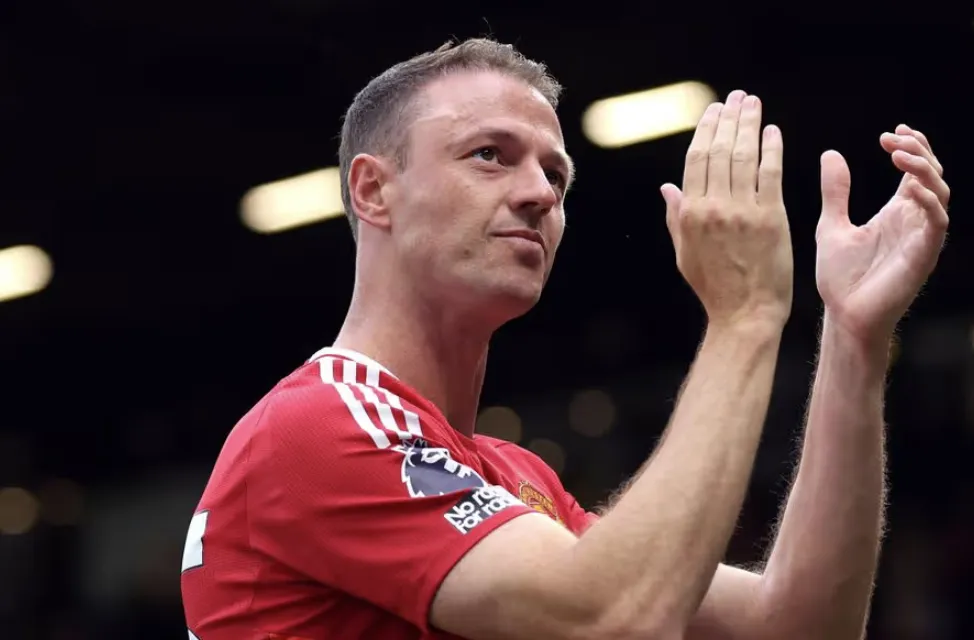
In a move that has captured the attention of the football world, veteran defender Jonny Evans has officially transitioned into a new chapter with Manchester United after hanging up his boots. The Northern Irishman, who returned to Old Trafford for a second spell in 2023, has now accepted a behind-the-scenes role at the club, signaling a strategic shift in how the Red Devils are approaching veteran player transitions. This development, reported by Crickex, highlights the club’s commitment to retaining football intelligence within its ranks, a decision that could shape their long-term coaching and scouting strategies.
The Journey: From Academy Product to First-Team Leader
Jonny Evans’s story with Manchester United is one of loyalty, resilience, and a deep connection to the club’s ethos. Starting his journey in the famous Carrington academy, Evans broke into the senior squad under Sir Alex Ferguson, winning three Premier League titles and the UEFA Champions League. After stints at West Bromwich Albion and Leicester City, his surprise return to United in 2023 was seen as a sentimental stopgap, but he proved critics wrong by making 30 appearances across all competitions last season.
“I always felt there was unfinished business here,” Evans said in a recent interview. “Coming back wasn’t just about playing; it was about contributing to the culture. Now, I can do that in a different way.” His experience, especially in mentoring younger defenders like Willy Kambwala and Luke Shaw, was invaluable. Dr. James Harding, a sports psychologist based in Manchester, noted, “Players like Evans are a bridge between the dressing room and the boardroom. His tactical awareness alone is a resource many clubs would pay millions for.”
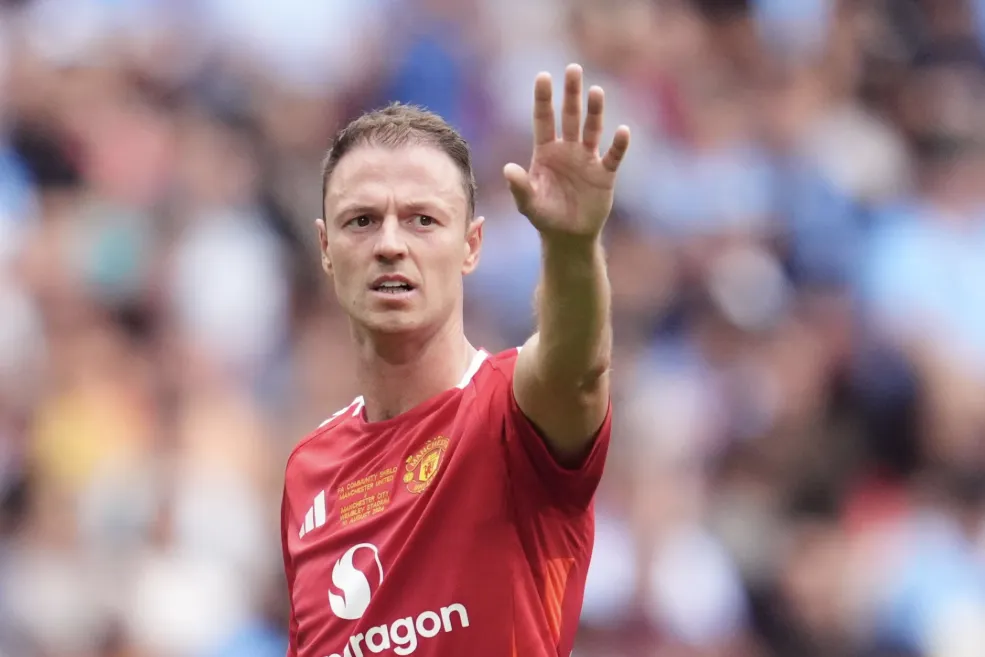
Why This Role Matters for Manchester United’s Structure
The new role, which involves working closely with the first-team coaching staff and the academy system, is not just a ceremonial gesture. It’s part of a larger trend at Crickex-covered clubs, where former players are being integrated into operational roles to maintain continuity. Unlike a typical coaching badge route, Evans will focus on player development, opposition analysis, and bridging the gap between the youth setup and the senior team.
- Academy Bridging:Evans will serve as a liaison, ensuring that young defenders understand the tactical demands of Erik ten Hag’s system from an early age.
- Cathedral of Knowledge:His ability to dissect game footage and communicate complex ideas to players will be crucial.
- Leadership Without the Kit:The role allows him to influence training sessions and pre-match preparations without the player pressure.
This is a smart move for United, especially given their recent struggles with defensive consistency. “Having someone who has played under both Ferguson and Ten Hag understands the evolution of the club’s philosophy,” said former United midfielder Owen Hargreaves in a punditry segment. “He knows what it means to win at this club.”
The Impact on Team Dynamics and Future Strategy
While fans might miss seeing Evans on the pitch, his new position could have a more lasting impact. The modern game is increasingly data-driven, and Evans, known for his reading of the game, will likely contribute to analytical discussions. This aligns with United’s broader goal of becoming more self-sufficient in talent production, reducing reliance on expensive transfers.
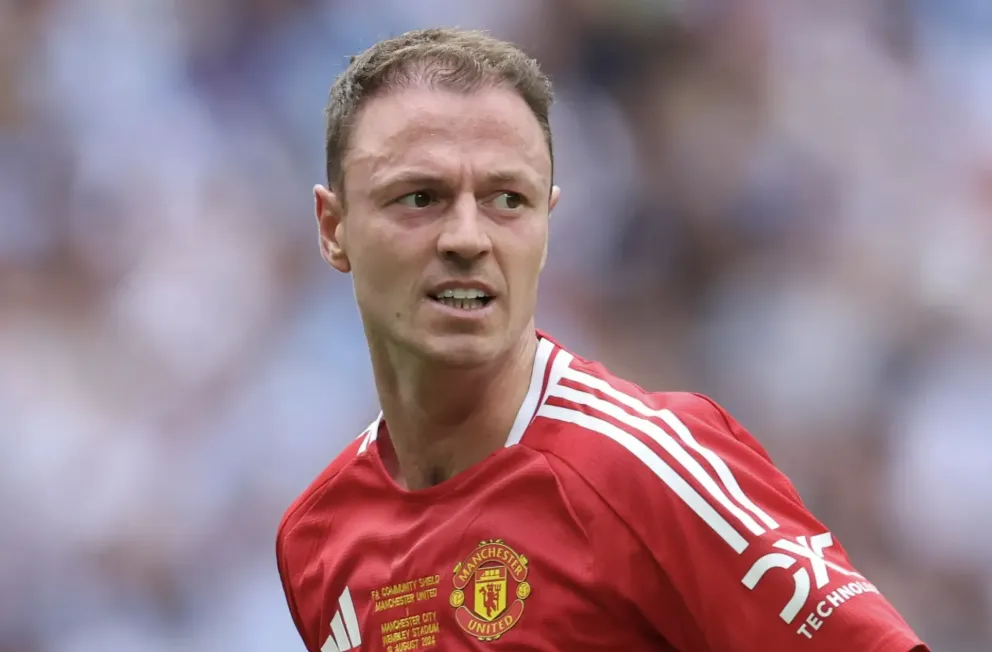
What Does This Mean for Erik ten Hag’s System?
With Evans in a backroom capacity, the manager gains a trusted voice who understands the pressures of playing for Manchester United. This is particularly important for a squad that has often been criticized for lacking leadership. Evans’s presence could stabilize the locker room environment, especially during tough periods.
Furthermore, this move sends a clear message to other experienced players: there is a path to stay at the club beyond playing. It’s a clever retention tool that costs little but yields high loyalty and institutional knowledge.
Comparing This Move to Other Premier League Veterans
The trend of “player-to-mentor” transitions isn’t new, but it’s gaining momentum. For example, at Liverpool, James Milner took on a similar ambassadorial role. However, Evans’s role is more hands-on, more tactical. According to a recent analysis by Crickex, United has been evaluating this structure for months, seeing it as a way to build a “university of football” within the club.
Key Differences:
- At Everton:Ashley Cole took a coaching role but focused almost exclusively on individual skill.
- At Arsenal:Per Mertesacker’s academy role is more administrative.
- At United:Evans’s role is a hybrid, combining coaching, analysis, and mentoring.
This unique blend could become a blueprint for other clubs looking to maximize the value of their retiring legends. The financial benefits are also clear; keeping a high-IQ player on staff is cheaper than hiring a new analyst.
How Evans’s Experience Benefits the Younger Squad
The current United squad is young and still finding its feet. Players like Rasmus Højlund and Kobbie Mainoo need guidance not just in technique but in mentality. Evans lived through the highs of the Champions League and the lows of relegation battles. His stories and insights are practical lessons in resilience.
“He’s not just a coach; he’s a living history book of the Premier League,” said an academy coach during a behind-the-scenes feature. “When he speaks about marking a Drogba or playing against a prime Aguero, it’s not theory. It’s real advice.” This type of education cannot be faked or bought; it’s earned through years of experience at the highest level.
The Bigger Picture: A New Era at Old Trafford
This development is just one piece of a larger puzzle at Manchester United. With new ownership starting to implement structural changes, the club is clearly aiming for stability. Retaining figures like Evans ensures that the club’s identity isn’t lost in commercial growth.
What’s Next for Evans?
While the specific title of his role hasn’t been completely formalized, it’s expected he will lead sessions twice a week and often be seen alongside the coaching staff on matchdays. He is also expected to complete his UEFA Pro License, which would allow him to take on a head coach role in the future if he chooses.
This path mirrors that of many legends, but Evans seems content with his current responsibilities. “I’m not thinking about being a manager tomorrow,” he joked. “I just want to help the boys improve. That’s the part I love.” His humble approach is exactly what a rebuilding club needs.
Fan Reactions and Club Expectations
The fanbase has warmly received this news. On social media, many expressed relief that Evans would remain part of the club fabric. “This is better than signing a big-name player in January,” one fan commented. “We need brains in the room, not just bodies on the pitch.” Others see it as a step toward building a “Club DNA” similar to what Ajax or Barcelona have historically achieved.
The club’s marketing team is also expected to leverage this story for fan engagement, highlighting the loyalty and pathway for academy graduates.
Conclusion: Jonny Evans’s New Role Is a Win for Manchester United
In a sport often defined by short-term results, Manchester United has made a long-term investment by integrating Jonny Evans into a new club role after his retirement. This decision, which we now know more about thanks to reports from Crickex, proves that football intelligence is as valuable as athletic performance. By keeping Evans within the fold, United is securing a tactical mind that understands both the history and the future of the club.
Have you seen a club use a retiring player effectively in this manner before? Do you think this is the right move for Manchester United’s future? Share your thoughts in the comments below, and don’t forget to explore more of our in-depth analysis on the changing face of modern football.
